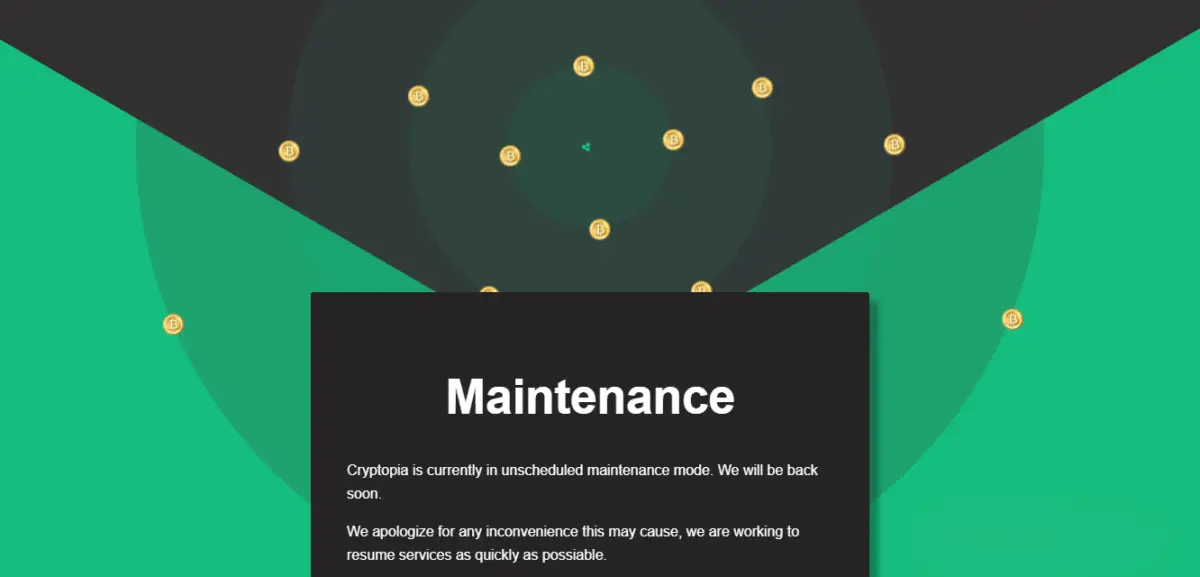
The year 2019 had begun with a modest sense of optimism across the broader digital asset ecosystem. Major cryptocurrencies, including market leader Bitcoin and alternative tokens like Tron, were showing early signs of resilience after enduring a punishing, prolonged bear market throughout the previous year. Investors and traders were cautiously looking forward to a potential market recovery and a more stable trading environment. However, that early optimism was abruptly tested when malicious actors set their sights on the Southern Hemisphere, launching a devastating cyberattack against one of New Zealand’s most prominent digital asset trading platforms.
Cryptopia, a well-known cryptocurrency exchange based in New Zealand, announced that its digital infrastructure had been severely compromised. The security breach, which came to light on January 14, 2019, forced the company’s management to take immediate, drastic action to protect remaining user assets. In response to the unauthorized access, the exchange abruptly suspended its operations, going into what administrators described as unscheduled maintenance. Behind the scenes, the situation was far more critical than routine system upkeep; the platform had suffered substantial security compromises resulting in significant financial losses.
In the immediate aftermath of the discovery, Cryptopia management placed the entire platform on strict lockdown. Trading activities were halted indefinitely, freezing all user deposits, withdrawals, and open orders with no immediate timeline for resumption. Recognizing the severity of the incident, exchange officials quickly initiated contact with local law enforcement agencies and specialized cybersecurity firms in New Zealand. These authorities stepped in to launch a comprehensive forensic investigation aimed at determining the exact vector of the attack, identifying the perpetrators, and accounting for the full extent of the stolen funds.

While the official management statements initially withheld precise figures regarding the total financial damage, external blockchain analysts and industry trackers quickly began piecing together the scale of the exploit. On-chain data highlighted suspicious, unauthorized movements originating from wallets associated with the exchange. Independent cryptocurrency media outlets, including Bitcoinist, reported that approximately 43 hours prior to the public disclosure, a massive transaction involving roughly $2.5 million worth of Ether was transferred out of a designated Cryptopia-tagged wallet. Although the ultimate destination of these stolen funds remained shrouded in anonymity due to the decentralized and pseudonymous nature of blockchain transactions, industry observers treated the movement as a primary indicator of the losses acknowledged by the exchange leadership.
This unfortunate security incident serves as a stark reminder of the persistent threats facing the digital asset industry, particularly following a tumultuous year. The year 2018 had already carved a notorious reputation into cryptocurrency history as a grueling combination of a severe bear market and a relentless wave of high-profile exchange hacks. Among the most notable disasters of the preceding year was the massive Coincheck breach, which resulted in the staggering loss of $534 million and underscored the fragile state of digital asset custody at the time.
Although market participants entered 2019 harboring high hopes that the industry had turned a corner and that cybersecurity protocols had matured, the Cryptopia breach arrived as an abrupt reality check. It demonstrated convincingly that malicious hackers were neither losing interest in the sector nor running out of sophisticated methods to bypass platform defenses. Cryptopia’s trajectory within the digital asset landscape added another layer of concern to the narrative. Once a major and fiercely popular hub for trading a vast array of lesser-known alternative tokens, the exchange had experienced a gradual decline in trading volume and public prominence, eventually slipping somewhat into obscurity compared to global giants like Binance or Coinbase.
Industry analysts pointed out that if an established platform of Cryptopia’s standing could fall victim to such a crippling exploit, it should serve as an urgent warning bell for larger, more heavily capitalized exchanges across the globe. The incident highlighted the reality that no platform, regardless of its user base size or historical longevity, is entirely immune to determined cybercriminals. Security experts emphasized the continuous necessity for exchanges to rigorously audit their code, upgrade their hot and cold wallet storage practices, and implement multi-layered security frameworks to safeguard user funds against increasingly sophisticated threat vectors.

The breach at Cryptopia also marked a troubling milestone for the young year, representing the first major exchange-level hack of 2019. While various smaller security incidents and social media compromises targeting prominent crypto figures had already been reported across different platforms earlier in the month, the targeting of an operating exchange with active user balances signaled that the systemic risks plaguing the industry had carried over into the new calendar year.
As the investigation in New Zealand continued, users and the broader crypto community were left in a state of anxious uncertainty. The exchange promised to release further updates as more information became verified and cleared by the investigating authorities and management teams. In the interim, industry advocates and security professionals urged market participants to remain exceptionally vigilant, reminding traders that centralized platforms carry inherent counterparty risks and that the tactics employed by hackers continue to evolve in unpredictable ways.