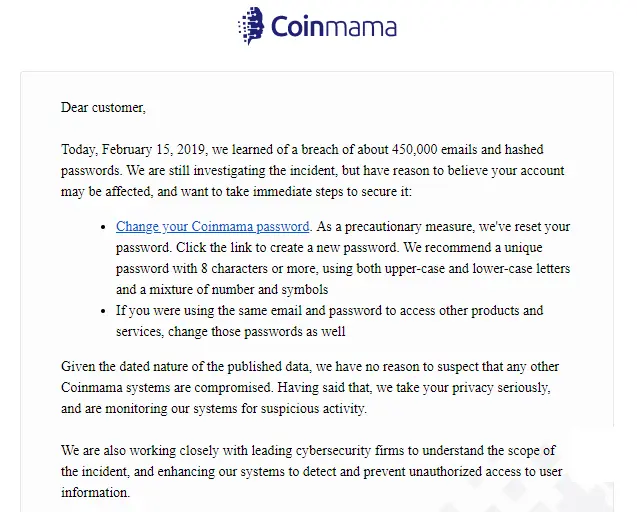
One of the world’s leading cryptocurrency brokerage platforms has fallen victim to a significant cyberattack, highlighting ongoing vulnerabilities in digital asset infrastructure. Coinmama, a prominent global platform serving more than 1.3 million registered users, experienced a severe security breach on February 15. The incident resulted in the exposure of sensitive user data, specifically affecting the email addresses and hashed passwords of over 450,000 account holders.
According to initial reports from the company’s internal investigating team, the breach was part of a much larger malicious campaign involving approximately 24 distinct websites and web properties associated with Coinmama. In total, the coordinated digital assault impacted an astonishing 747 million data records across these connected platforms. Despite the massive scale of the data leak, the platform’s management moved quickly to assess the damage, isolate the threat, and prevent further unauthorized exposure of user credentials.
The Discovery and Immediate Response
The security event came to light shortly after the hack occurred, when investigators discovered that a database containing the compromised email addresses and login credentials had been leaked and made available on the dark web. Recognizing the severe implications of the leak, Coinmama’s management team took swift and decisive measures to contain the breach and notify the public.
Through subsequent forensics and internal auditing, the platform’s security team determined that the breach specifically targeted accounts created prior to August 5, 2017. Users who joined the platform after this date were reportedly unaffected by the incident. Furthermore, in what has come as a significant relief to the platform’s user base, Coinmama confirmed that no digital assets or cryptocurrencies were stolen during the cyberattack. The company also verified that none of the leaked login information has been successfully utilized to breach or gain unauthorized access to individual user accounts.

To mitigate any lingering risks, Coinmama immediately issued mandatory password reset notices and security advisories to all affected individuals. Users were strongly urged to update their login details across the platform and to ensure they were not using identical credentials on other external websites and financial services. Additionally, the company pledged to overhaul and significantly strengthen its overall security architecture, deploying advanced monitoring and defensive systems to detect and prevent similar unauthorized access attempts in the future.
A Wider Pattern of Breaches Across Digital Platforms
The security incident at Coinmama is far from an isolated event, reflecting a broader, systemic vulnerability affecting major web applications and databases worldwide. In the wake of the breach, cybersecurity experts pointed out that several other high-profile online platforms—including popular health and lifestyle tracking application MyFitnessPal and online dating platform Coffee Meets Bagel—have recently suffered strikingly similar security intrusions.
Ariel Ainhoren, a threat intelligence researcher at cybersecurity firm IntSights, shed light on the mechanics of these attacks during an interview with technology publication TechCrunch. According to Ainhoren, a specific vulnerability has been systematically exploited by malicious actors to compromise multiple large-scale databases.
Many of the affected platforms were running a particular database management software known as PostgreSQL. Once hackers managed to penetrate the perimeter of the primary system, this specific architectural vulnerability enabled them to seamlessly download, extract, and siphon off massive databases across multiple interconnected websites and corporate digital properties. The revelation underscores the interconnected nature of modern digital infrastructure, where a single software vulnerability can trigger a cascading wave of multi-platform data breaches.

Tricky Timing and Pressures on the Crypto Market
The timing of the Coinmama security breach could hardly have been worse for the broader cryptocurrency ecosystem. The incident unfolded just as widespread media reports were circulating regarding another major industry crisis involving Canadian cryptocurrency exchange QuadrigaCX. In that separate debacle, the platform lost access to millions of dollars in customer funds following the sudden death of its founder and CEO, leaving millions in digital assets trapped inside inaccessible cold wallets.
Incidents of this magnitude inevitably cast a shadow over the digital asset sector, eroding public trust and undermining the confidence of retail and institutional investors alike. For cryptocurrency exchanges—which rely heavily on building a reputation of absolute trust, reliability, and security—such negative publicity is deeply unwelcome.
The consecutive occurrences of exchange-related failures and security lapses have amplified a growing public sentiment that many cryptocurrency platforms maintain substandard security and management protocols. Critics argue that these systems often fail to provide the rigorous safeguards necessary to protect users’ digital assets from sophisticated, determined threat actors.
However, industry defenders emphasize that these high-profile breaches represent isolated incidents rather than an indictment of the entire digital asset economy. Several major global cryptocurrency exchanges, including industry heavyweights such as Binance, Coinbase, and Gemini, have established exceptionally high security standards. Through rigorous compliance, robust cold storage solutions, multi-factor authentication, and proactive penetration testing, these leading institutions have maintained spotless security records, remaining entirely uncompromised since entering the digital asset marketplace.