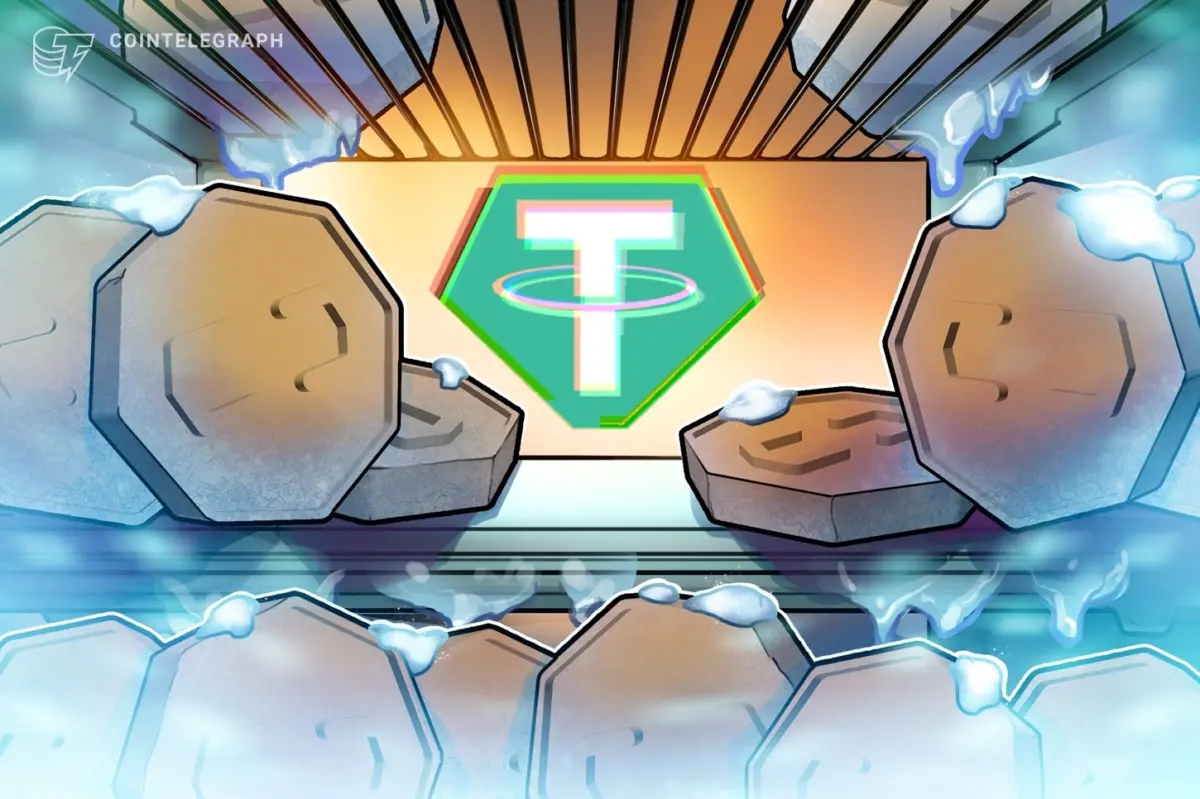
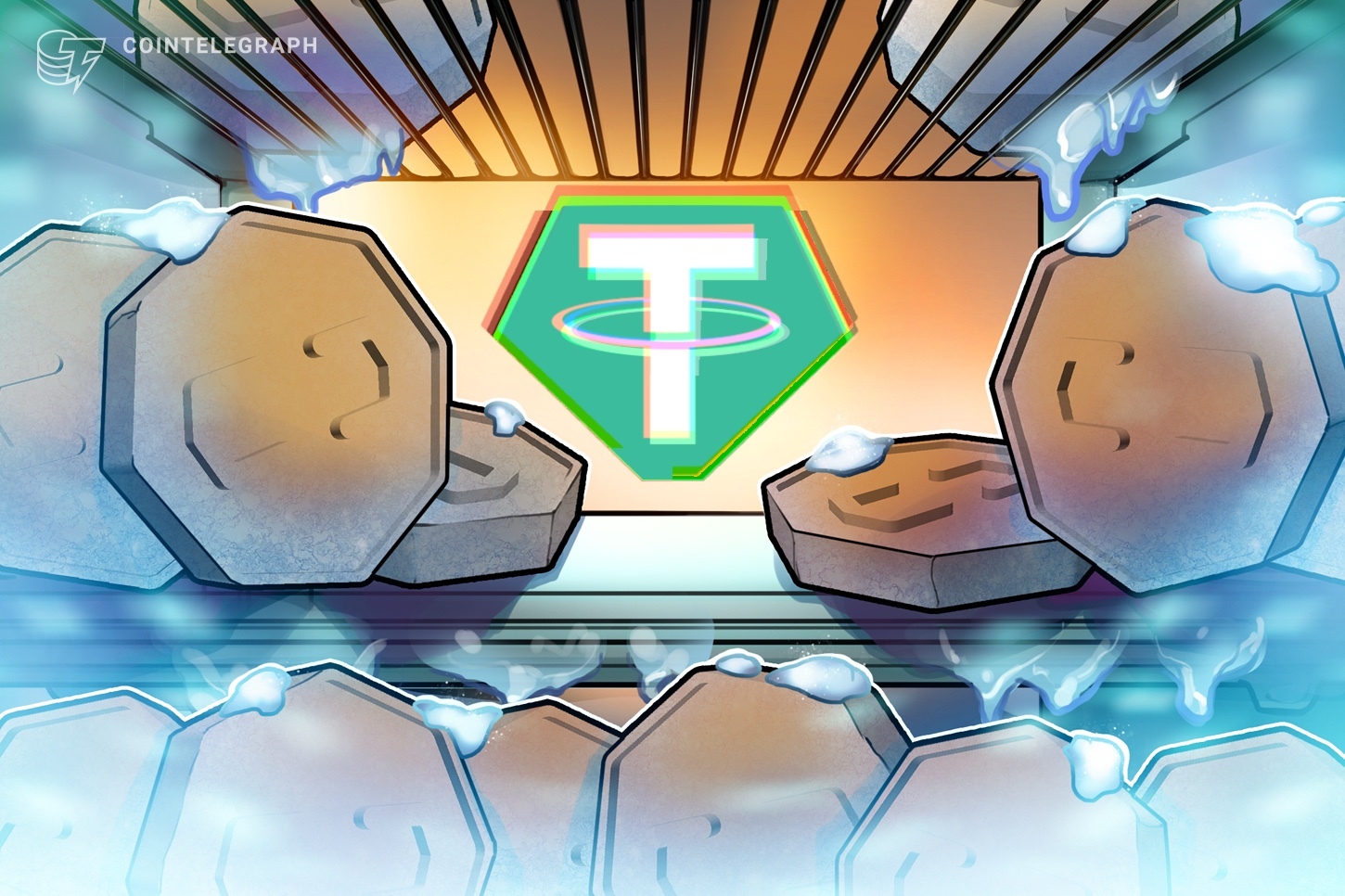
Decentralized liquidity network THORChain experienced a tense operational interruption after stablecoin issuer Tether temporarily blacklisted several of the network’s vault addresses, freezing approximately 1.45 million USDt (USDT) across four separate wallets. The sudden restriction and subsequent reversal sparked renewed discussions regarding the centralized control mechanisms embedded within major stablecoins and added to a growing list of public controversies surrounding Tether’s wallet-freezing practices.
According to statements made by Chad Barraford, the technical co-founder of THORChain, the unexpected enforcement action occurred without any prior warning or communication from Tether. In a post published on the social media platform X on Friday, Barraford detailed how the network’s liquidity vaults were abruptly rendered inactive, cutting off access to millions of dollars in stablecoin capital and temporarily halting associated trading pairs across the decentralized protocol.
The incident immediately drew attention from the broader decentralized finance (DeFi) community, highlighting the structural tension between centralized fiat-backed stablecoins—which rely on administrative blacklisting functions to comply with regulatory demands—and permissionless, censorship-resistant liquidity protocols.
Prior to the restoration of the funds, Barraford expressed frustration over the lack of transparency surrounding the decision. He noted that the THORChain core development team had received no prior notice, warnings, or inquiries from Tether or any associated compliance entities prior to the execution of the blacklist.
"We don’t know why this choice was made and have had no comms with USDT before this action and are actively reaching out to have a conversation," Barraford wrote on X before the addresses were unfrozen. He further emphasized the protocol’s initial stance on the matter, adding, "We hope that this was made in error / misunderstanding."
Fortunately for the cross-chain liquidity network, the freeze proved to be short-lived. Roughly two hours after publicizing the issue, Barraford provided an update confirming that Tether had reversed the blacklisting action. All four affected wallet addresses were unlocked, allowing THORChain to resume normal trading operations and restoring full access to the roughly 1.45 million USDT held within the vaults.
Despite the swift resolution, the incident left core developers and protocol participants questioning the criteria and automated triggers that lead to such high-stakes administrative interventions. When contacted for comment regarding the temporary freeze and the specific rationale behind the blacklisting and subsequent reversal, representatives from neither Tether nor THORChain provided an immediate response to inquiries from industry media outlets.
The sudden freezing and unfreezing of THORChain’s USDt vaults arrives amid a broader wave of legal scrutiny, public challenges, and heightened tension involving Tether’s administrative asset-freezing policies. Stablecoin issuers like Tether maintain the technical capability to blacklist specific blockchain addresses—a feature routinely utilized to prevent illicit actors, hackers, or sanctioned entities from moving stolen or laundering-related funds. However, the application of these freezing mechanisms has increasingly faced pushback from corporate entities, developers, and international users who find their legitimate operations caught in compliance nets.
Earlier the same week, cross-border payments platform Conduit Technology escalated its ongoing operational disputes by filing a formal lawsuit against Tether. According to legal filings, the lawsuit alleges that Tether wrongfully froze $2.76 million worth of USDt in a corporate wallet tied to an ongoing investigation initiated by Brazilian law enforcement authorities back in 2024. Conduit Technology’s legal challenge seeks to contest the freezing mechanism and reclaim access to the funds, arguing that the prolonged restriction harms legitimate commercial operations.

In a separate high-profile legal challenge filed in August, two Thai nationals initiated legal action against the stablecoin issuer following a freezing incident involving a staggering $42.4 million in USDt. According to the plaintiffs, the funds were locked up by Tether following what they described as an "informal request" issued by United States Homeland Security Investigations in connection with an ongoing investigation into alleged "pig butchering" investment scams. The plaintiffs argued that the blanket freezing measures infringed upon their rights and lacked proper judicial oversight, drawing further attention to the intersection of international law enforcement requests and private cryptocurrency infrastructure.
The compounding controversies surrounding Tether’s wallet-freezing policies have also begun to attract the attention of political lawmakers. In traditional financial and regulatory circles, Tether’s deep ties to traditional banking partners and financial custodians have become a subject of active parliamentary inquiry. Notably, financial institution Cantor Fitzgerald has faced targeted questioning from United States Senate Democrats over its close business relationships and custodial ties to Tether, reflecting mounting regulatory interest in the systemic footprint of the world’s largest stablecoin issuer.
As decentralized protocols like THORChain continue to bridge the gap between permissionless blockchain networks and centralized fiat-pegged assets, incidents involving sudden address blacklisting underscore the persistent structural vulnerabilities inherent in multi-chain architectures that rely on centralized token issuers. While THORChain’s latest vault freeze was successfully resolved within a matter of hours, the episode serves as a stark reminder of the unilateral control centralized stablecoin operators hold over major decentralized liquidity pools, leaving market participants and developers continually searching for more resilient, decentralized alternatives for cross-chain value transfer.