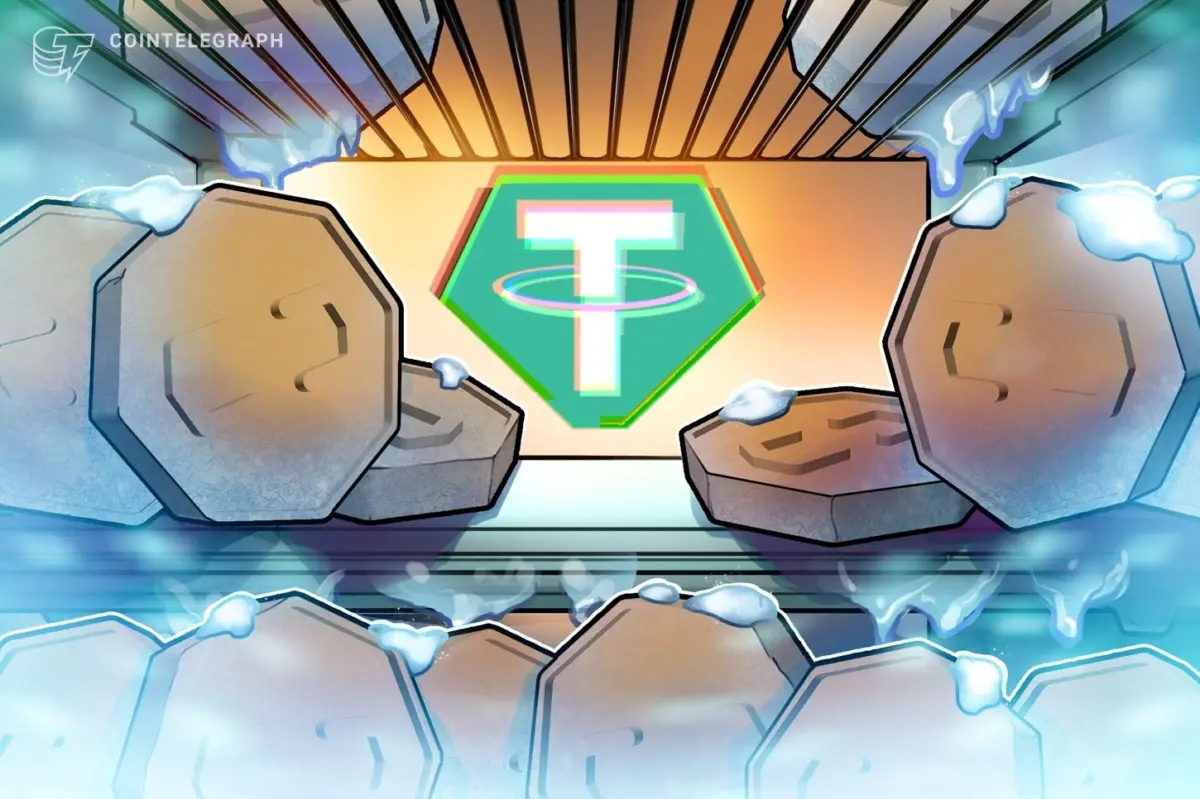
Decentralized liquidity network THORChain experienced a tense window of operational uncertainty on Friday after stablecoin issuer Tether abruptly blacklisted several of the network’s USDt vaults. According to Chad Barraford, technical co-founder of THORChain, the sudden move locked up roughly $1.45 million worth of USDT spread across four primary network wallets before the restrictions were just as mysteriously lifted a couple of hours later.
The incident highlights the growing operational friction between decentralized finance protocols and centralized stablecoin issuers, which possess the technical capability to freeze assets at the smart contract level to comply with regulatory mandates, law enforcement requests, or internal risk parameters. In this case, however, the lack of communication left THORChain developers and users in the dark as trading ground to an unexpected halt.
Barraford first brought the situation to public attention via a post on the social media platform X, detailing how Tether had targeted the network’s vault addresses. The unexpected freeze directly impacted roughly 1.45 million USDT, disabling the protocol’s ability to process transactions involving the stablecoin smoothly. However, the resolution came relatively quickly. About two hours after the initial alert, Barraford provided an update to the community confirming that Tether had reversed the blacklisting, allowing normal trading operations to resume across the affected addresses.
Prior to the unfreezing of the funds, Barraford expressed frustration over the lack of transparency surrounding the decision. He noted that the THORChain team had received no prior communication from Tether regarding the blacklisting and was actively attempting to open a dialogue with the stablecoin issuer to understand what triggered the action. At the time, Barraford stated that the network was hoping the freeze was executed due to an error or a misunderstanding rather than a targeted enforcement action against the decentralized liquidity protocol.
Representatives from Cointelegraph reached out to both Tether and THORChain seeking further details regarding the incident, but neither organization provided an immediate response to inquiries. The abrupt nature of the freeze and subsequent reversal underscores the ongoing vulnerabilities that decentralized platforms face when relying on centralized assets that can be controlled or restricted by a single corporate entity.
The sudden freezing and unfreezing of THORChain’s funds arrives amid a broader wave of legal and public scrutiny facing Tether over its asset-freezing practices. Earlier in the week, cross-border payments platform Conduit Technology filed a lawsuit against Tether in connection with frozen funds. According to the legal filing, Tether locked up $2.76 million worth of USDt in a wallet that was tied to an ongoing investigation launched by Brazilian authorities in 2024. Conduit Technology’s lawsuit challenges the circumstances and authority under which the stablecoin issuer immobilized the funds, adding to the mounting legal challenges regarding centralized interventions in cryptocurrency wallets.
In another high-profile dispute from earlier this year, two Thai nationals initiated legal action against Tether in August. The plaintiffs alleged that the stablecoin company froze $42.4 million in USDt following what they described as an "informal request" from United States Homeland Security Investigations related to an alleged "pig butchering" scam case. These recurring incidents have intensified industry debates concerning the due process, transparency, and jurisdiction of stablecoin issuers when they choose to freeze digital assets held by users or corporate entities worldwide.
Beyond direct legal challenges from users and corporate partners, Tether’s operational ties and market dominance continue to draw attention from political figures and traditional financial institutions. Recently, financial services firm Cantor Fitzgerald faced a series of questions and a formal probe from Senate Democrats regarding its close business relationship with Tether. Lawmakers have increasingly sought clarity on the financial backing, reserve management, and regulatory compliance frameworks surrounding the world’s largest stablecoin, reflecting the systemic importance that USDT has assumed within the global digital asset economy.
As the cryptocurrency ecosystem continues to navigate the complex intersection between decentralized protocols and centralized choke points, events like the brief THORChain vault freeze serve as a stark reminder of the underlying dependencies inherent in modern multi-chain liquidity. While normal operations for THORChain were swiftly restored on Friday, the lack of an initial explanation from Tether leaves lingering questions within the decentralized finance community regarding how similar situations will be handled in the future.