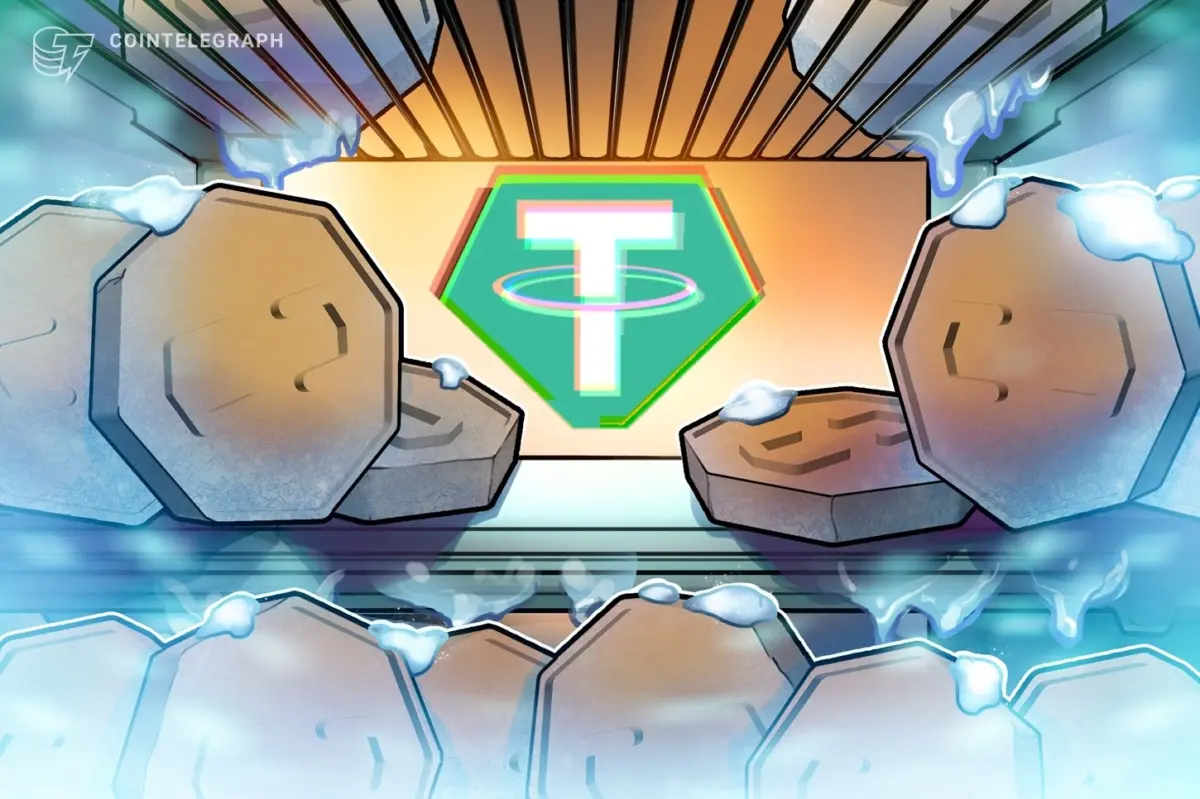
Stablecoin issuer Tether briefly blacklisted and froze approximately $1.45 million worth of USDt (USDT) held across four wallet vaults belonging to the decentralized cross-chain liquidity network THORChain, before abruptly reversing the action just hours later without providing an official explanation.
The unexpected move sent ripples through the decentralized finance ecosystem on Friday, prompting swift public inquiries from project leaders and drawing fresh scrutiny toward the centralized mechanisms stablecoin issuers wield over digital asset markets. According to statements shared by THORChain technical co-founder Chad Barraford on the social media platform X, the sudden freeze targeted key network addresses holding the world’s largest stablecoin, effectively halting specific trading operations tied to those vaults before normal functionality was restored roughly two hours later.
The incident highlights the ongoing friction between decentralized protocols operating on public blockchains and the centralized administrative controls maintained by private stablecoin issuers like Tether, which possess the technical capability to freeze tokens at will in response to compliance mandates, investigations, or internal risk assessments.
A Sudden Blacklisting and Quick Reversal
The sequence of events unfolded rapidly on Friday morning. In his initial posts on X, Barraford reported that Tether had placed THORChain vault addresses on its blacklist, freezing a combined total of roughly 1.45 million USDT across four distinct wallets integral to the network’s operations. The freezing of these funds immediately impacted liquidity flows, leaving developers and users uncertain about the status of their assets and the operational continuity of the protocol.
"We don’t know why this choice was made and have had no comms with USDT before this action and are actively reaching out to have a conversation," Barraford stated on X prior to the restrictions being lifted. At the time, he expressed hope that the freezing of the network’s funds was carried out due to an error or a misunderstanding rather than a targeted punitive measure against the decentralized liquidity network.
Just about two hours after sounding the alarm, Barraford provided an update on the social media platform confirming that the addresses had been successfully unfrozen by the stablecoin issuer and that normal trading activity across the affected vaults would resume. Despite the swift resolution, the lack of prior notice or subsequent explanation left many observers and protocol participants questioning the transparency and predictability of centralized asset management within decentralized financial architectures.
Representatives from Cointelegraph reached out to both Tether and THORChain seeking additional details regarding the incident, the specific reasoning behind the temporary blacklisting, and any communications that may have occurred behind the scenes, but did not receive an immediate response.
Growing Legal and Regulatory Pressure on Tether
The temporary freezing of THORChain’s USDt vaults arrives amid a broader wave of legal challenges, public scrutiny, and controversies surrounding Tether’s enforcement practices and freezing capabilities. As the dominant player in the stablecoin market, Tether routinely blacklists wallet addresses suspected of illicit activities, hacking exploits, or regulatory violations, usually cooperating with law enforcement agencies globally. However, the increasing frequency of public disputes involving frozen funds has intensified debates over the centralization risks inherent in heavily relied-upon digital assets.
Earlier in the week, cross-border payments platform Conduit Technology filed a formal lawsuit against Tether. The legal action alleges that the stablecoin issuer froze $2.76 million worth of USDt in a wallet that was tied directly to an ongoing investigation launched by Brazilian authorities in 2024. Conduit Technology’s lawsuit contends that the freeze was executed without adequate justification or due process, causing significant operational disruption for the platform and its users.
The controversy over frozen funds extends further into international legal arenas. In August, two Thai nationals initiated legal action against Tether after the company allegedly froze $42.4 million in USDt. According to court filings and reports surrounding the case, the massive sum was frozen following what was described as an "informal request" originating from United States Homeland Security Investigations in connection with a high-profile "pig butchering" investment scam investigation.
These consecutive legal battles underscore the immense pressure placed on Tether to balance international regulatory compliance and law enforcement cooperation with the expectations of transparency and operational continuity demanded by the broader cryptocurrency community. When centralized issuers possess the unilateral authority to render millions of dollars in digital tokens inert within seconds—whether on behalf of global law enforcement or through automated compliance triggers—decentralized protocols find themselves vulnerable to external disruptions that can materialize without warning.
Scrutiny Extends to Financial Partnerships
Beyond direct legal actions and asset freezes, Tether’s intricate web of financial relationships continues to attract the attention of lawmakers and regulatory watchdogs. Recently, financial institution Cantor Fitzgerald found itself facing pointed questions and a formal inquiry from Senate Democrats regarding its close business ties with the stablecoin issuer. The political and regulatory spotlight on Tether’s banking partners and reserve management practices reflects the systemic importance the stablecoin has assumed within the global financial system.
For decentralized protocols like THORChain, the Friday incident serves as a stark reminder of the underlying centralization trade-offs involved in utilizing fiat-pegged stablecoins. While USDt provides essential liquidity, price stability, and seamless cross-chain interoperability necessary for decentralized trading and lending markets, it simultaneously introduces single points of failure tied to corporate entities subject to external legal pressures.
As the dust settles on the brief multi-million dollar freeze, the crypto community continues to monitor how issuers like Tether handle compliance and communication with decentralized networks. While THORChain’s vaults are once again fully operational and trading has resumed without further interruption, the lack of an official explanation from Tether leaves lingering questions regarding how similar situations will be handled in the future.