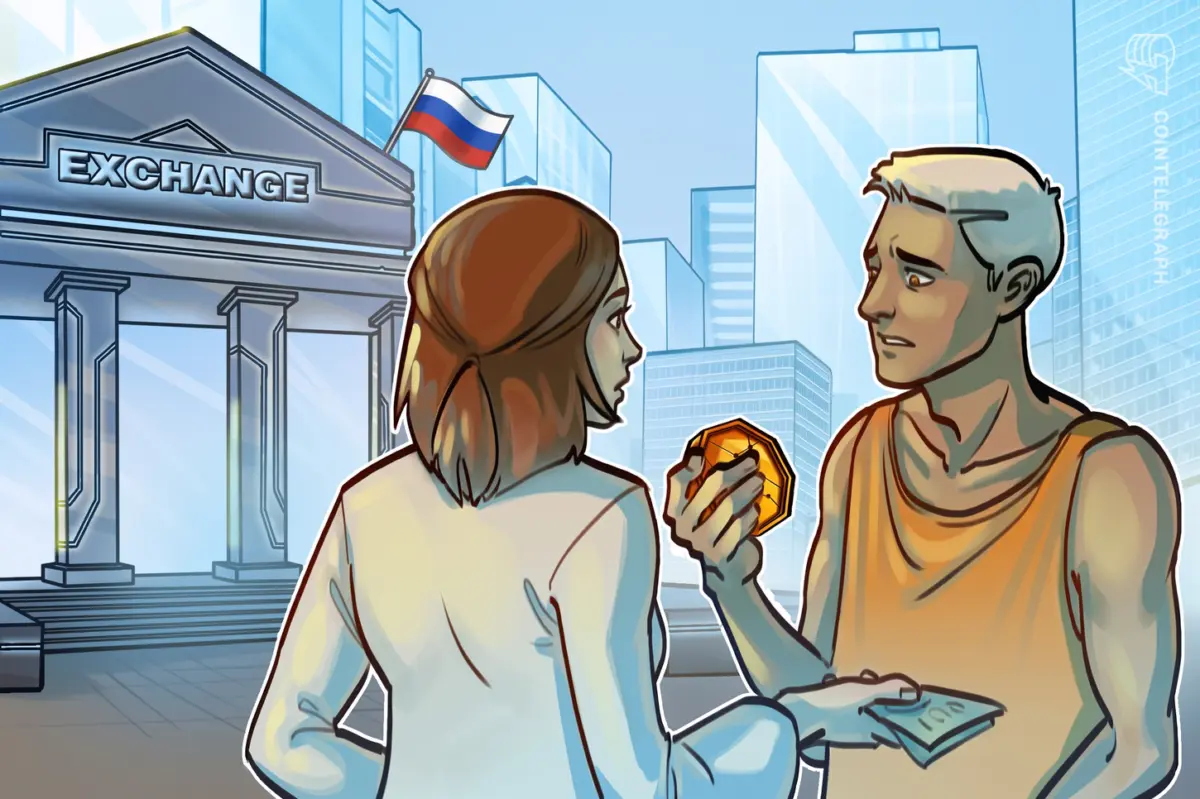
Russia is moving forward with a profound tightening of its digital asset landscape, setting a strict definitive timeline that will reshape how individuals handle cryptocurrencies within its borders. According to updated regulatory guidance released by the Bank of Russia, the country plans to implement a total ban on direct peer-to-peer cryptocurrency transactions between individuals starting July 1, 2027. This upcoming restriction marks a major shift in the nation’s regulatory approach, dismantling the informal networks that many citizens have relied on for digital asset exchanges.
Under the new regulatory framework outlined by the central bank, individuals will no longer be permitted to exchange cryptocurrency assets directly with one another without the involvement of an approved intermediary. The guidance clarifies that while such direct peer-to-peer trades remain temporarily permitted, this grace period has a firm expiration date. Once the calendar turns to July 2027, anyone wishing to trade digital assets will be legally required to route their transactions through authorized intermediaries, effectively channeling all grassroots liquidity into heavily monitored, centralized corporate structures approved by the state.
This sweeping overhaul of the country’s crypto market coincides with additional restrictions targeting the personal autonomy of digital asset holders. The Bank of Russia has explicitly clarified that individuals are currently prohibited from transferring cryptocurrency assets from their digital accounts held with regulated platforms directly to their own non-custodial or self-custodial wallets. By cutting the bridge between centralized accounts and private wallets, the central bank aims to establish tighter control over the flow of capital, curbing the ability of citizens to hold their digital wealth entirely outside the traditional financial architecture.
The timing of these stringent new rules aligns with a broader, aggressive campaign by Moscow to institutionalize and severely regulate its domestic crypto sector. Just as the central bank published its updated guidance regarding peer-to-peer transactions and wallet transfers, it also took a major step toward establishing state-sanctioned crypto infrastructure. The Bank of Russia officially authorized Sberbank, the largest financial institution in the country, to offer comprehensive cryptocurrency exchange services to its customers. This authorization follows an earlier regulatory approval that designated Sberbank as an official digital asset custodian, cementing the bank’s position as a foundational pillar of Russia’s state-approved crypto ecosystem.
These developments flow directly from a comprehensive suite of new crypto legislation that officially came into force on September 1. That foundational legislation fundamentally altered the legal status of digital assets in the country by bringing exchange operators and asset custodians under the direct, watchful oversight of the central bank. Despite opening the door for regulated corporate participation through major financial institutions like Sberbank, the legislative framework maintains a hardline stance against the use of cryptocurrencies as a medium of exchange. The country continues to strictly prohibit the use of cryptocurrency for payments covering goods and services, ensuring that the ruble remains the sole legal tender for commercial transactions within the Russian Federation.
The aggressive nature of these regulatory changes has naturally sparked significant skepticism and concern among international and domestic industry executives, who question the practical feasibility of enforcing such sweeping bans. Speaking on the challenges of state oversight in the decentralized space, industry leaders have pointed out inherent technical barriers that regulators will face when attempting to stamp out peer-to-peer networks and personal wallets. Samson Mow, the CEO of Jan3, has previously noted that peer-to-peer trading possesses a high degree of resilience, making it fundamentally more difficult for regulatory authorities to eradicate compared to centralized trading platforms that rely on traditional corporate compliance structures.
Similarly, Stepan Uherik, an executive at SatoshiLabs, has addressed the limitations of government crackdowns on personal storage tools. According to Uherik, attempts to ban or restrict wallet applications will ultimately leave hardware-based storage solutions and desktop wallets completely unaffected, as these tools operate independently of app stores and centralized distribution channels. These insights highlight a persistent friction point between traditional state-level financial controls and the borderless, self-sovereign architecture upon which many digital assets are built. Nonetheless, the regulatory trajectory in Russia remains firmly pointed toward centralized oversight, leaving market participants to navigate an increasingly restrictive environment as the 2027 deadline for peer-to-peer transactions draws nearer.