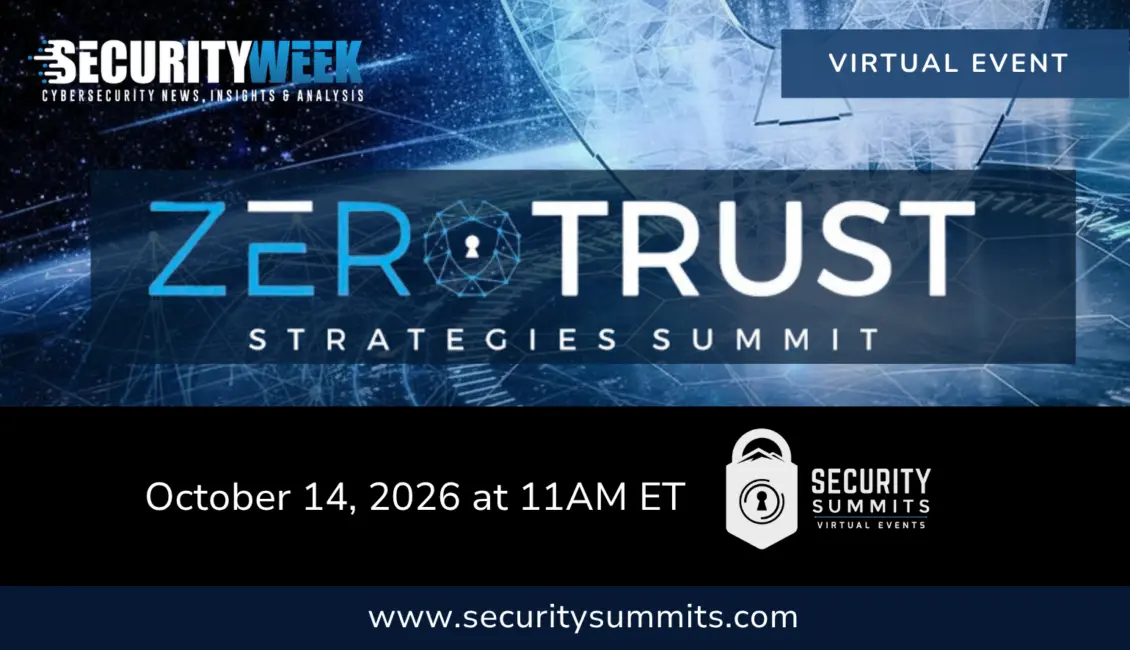
The cybersecurity landscape faced a pivotal moment on October 14, 2026, as industry leaders, security architects, and enterprise defenders gathered for the annual SecurityWeek Zero Trust Strategies Summit. Held as a fully immersive virtual conference and expo, the event served as a critical touchstone for organizations navigating the increasingly complex shift toward a world where implicit trust is no longer a viable security posture. With over 1,000 registered attendees, the summit underscored the urgent industry-wide transition toward frameworks where every user, device, and workload must be explicitly verified before accessing corporate resources.
For those who were unable to attend the live sessions, SecurityWeek has made the entire conference program available on-demand, ensuring that the actionable insights shared by experts remain accessible to the broader security community. The event focused heavily on moving beyond the theoretical foundations of Zero Trust to address the practical, often messy realities of implementing such architectures in modern, cloud-first, and AI-integrated environments.
The New Frontier: Identity and AI-Driven Threats
The core theme of the 2026 summit was the convergence of Zero Trust principles with the rapid proliferation of artificial intelligence. As organizations integrate AI tools into their workflows—often without the oversight of centralized IT—a new "Shadow AI" threat vector has emerged. The summit’s opening keynote, "From Hacking in to Logging in: Closing the Shadow AI Gap in Your Zero-Trust Architecture," set a somber but necessary tone for the day. Experts emphasized that AI tools connected to enterprise environments, such as Google Workspace, can inadvertently grant AI models access to millions of sensitive emails, documents, and proprietary files.
The discussion shifted the focus from traditional perimeter-based security to the identity layer, which has become the new frontline of defense. In an era where a single compromised credential can grant an adversary broad access to an organization’s most sensitive data, the summit’s presenters argued that identity is now the most critical control point. The sessions explored how security teams can leverage AI not only as a threat but as a defensive ally, using machine learning to predict, identify, and mitigate identity-based attacks before they escalate into full-scale breaches.
Operationalizing Zero Trust in a Complex Workforce
As the event progressed, the focus moved toward the practicalities of a distributed workforce. In the session "Your Workforce Is Under Attack," speakers detailed how the modern threat landscape has evolved to specifically target remote and hybrid employees. With the traditional office boundary effectively dissolved, attackers are focusing on exploiting the vulnerabilities inherent in home networks, personal devices, and the increasingly sophisticated social engineering tactics that bypass standard authentication measures.
The summit provided a platform for participants to discuss the "war stories" of implementing Zero Trust, acknowledging that the transition is rarely a "rip-and-replace" scenario. Instead, it is an ongoing journey of continuous validation. Industry veterans shared strategies for mapping out existing access flows and identifying where implicit trust still resides within internal networks—often in legacy systems that were never designed for a Zero Trust world. By eliminating these pockets of unverified access, organizations can significantly reduce their lateral movement risk, which remains a primary goal for any mature security architecture.
Bridging the Gap Between Strategy and Execution
Beyond the high-level policy discussions, the summit featured tactical demonstrations that bridged the gap between abstract security philosophy and hands-on application. For instance, the "NordLayer AI Scout in Action" and "ClearVector in Action" segments provided attendees with a look at how specific modern tools are being deployed to address the challenges of visibility and automated threat response.
These sessions served as a reminder that while the principles of Zero Trust—least privilege, micro-segmentation, and continuous monitoring—remain constant, the tools used to enforce them must evolve at the speed of the threats they are meant to counter. The virtual expo floor allowed attendees to interact with sponsors and technology providers who are at the cutting edge of this development. By engaging directly with vendors, attendees were able to discuss how specific product features—ranging from identity orchestration to automated compliance monitoring—fit into their unique organizational requirements.
Building a Unified Security Framework
A recurring sentiment throughout the day was the need for a unified security framework. As organizations grapple with the fragmentation caused by multiple cloud providers, SaaS applications, and a diverse array of endpoints, the task of maintaining a cohesive Zero Trust policy has become increasingly difficult. The summit highlighted that success depends on integrating identity management with network security, data protection, and endpoint security into a singular, cohesive ecosystem.
The speakers urged attendees to view Zero Trust not as a checkbox compliance exercise, but as a cultural and operational shift. This involves moving away from the "trusted insider" mentality and toward a model of constant verification, where trust is never assumed, regardless of whether a user is connecting from the corporate headquarters or a coffee shop across the globe.
Accessing the Knowledge Base
With the live portion of the event now concluded, the focus shifts to the availability of the summit’s recorded content. For security professionals, this on-demand access is a vital resource. The ability to revisit sessions such as "Can This Identity Be Trusted?" or "Understanding Identity in the Era of AI" allows teams to dissect complex concepts at their own pace and apply them to their internal strategy discussions.
SecurityWeek’s commitment to providing these resources reflects the broader industry need for continuous education. As the 2026 Zero Trust Strategies Summit demonstrated, the cybersecurity community is in the midst of a significant transformation. While the challenges are immense—ranging from the uncontrolled adoption of AI to the persistence of legacy infrastructure—the event provided a clear roadmap for those willing to embrace the principles of verification, visibility, and continuous improvement.

For those looking to stay ahead of these developments, the summit serves as a reminder of the importance of community engagement. By sharing experiences, debating strategies, and learning from the successes and failures of others, the industry continues to harden its defenses against an increasingly capable adversary. As organizations continue to iterate on their Zero Trust journeys, the insights shared during this year’s summit will undoubtedly inform the security roadmaps of companies across the globe, helping to build a more resilient digital future.
For professionals interested in ongoing updates, SecurityWeek continues to offer its Daily Briefing newsletter, providing the latest analysis on threats, trends, and the ever-changing landscape of cybersecurity technology. This ensures that the momentum generated during the summit does not fade, but instead continues to fuel the professional development of the security teams charged with protecting the modern digital enterprise.