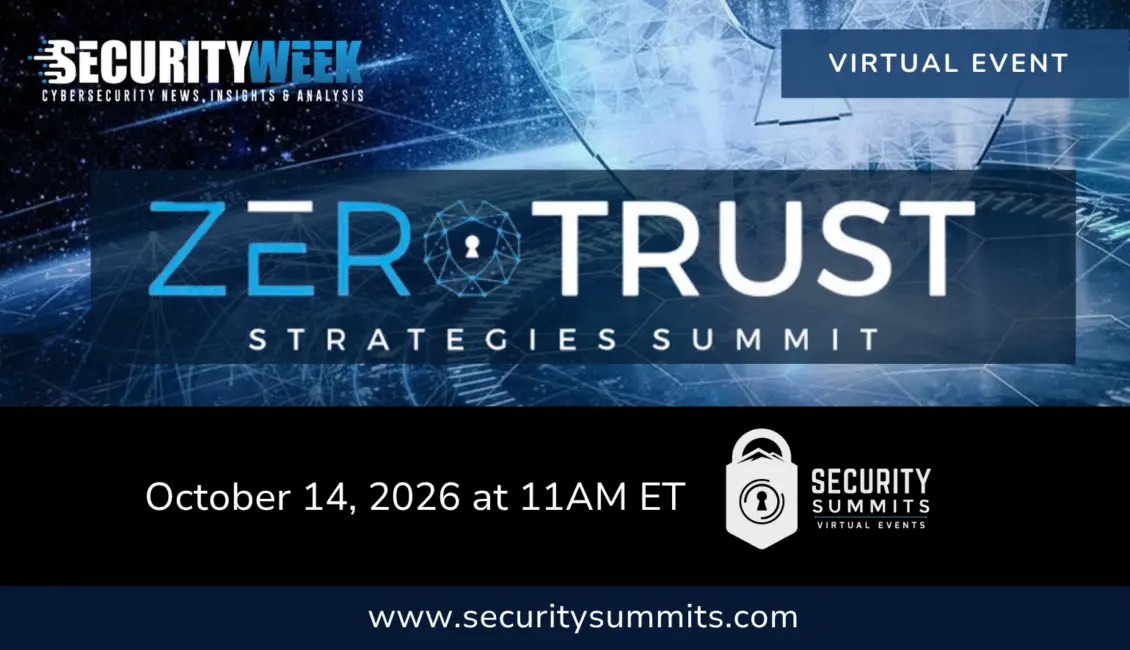
SecurityWeek recently hosted its highly anticipated 2026 Zero Trust Strategies Summit, a premier virtual conference and expo that brought together industry leaders, cybersecurity practitioners, and technology innovators to address the evolving landscape of network and identity security. The event, which took place on October 14th, served as an immersive platform for professionals seeking to move beyond the abstract concepts of Zero Trust to implement actionable, effective defense strategies in an era defined by sophisticated, identity-based threats.
The summit emphasized a critical shift in the cybersecurity paradigm: the transition from traditional, perimeter-based security models to a more rigorous framework where every user, device, and workload must be explicitly verified. As organizations continue to navigate a complex, distributed digital environment, the necessity of building a unified security framework that leverages artificial intelligence to predict and neutralize threats has never been more urgent. With over 1,000 attendees participating in the virtual conference center, the event highlighted the industry’s collective commitment to refining the principles of "never trust, always verify."
Addressing the New Frontier of Identity Security
The core focus of the 2026 summit was the next generation of Zero Trust. While many organizations have experimented with the foundational elements of Zero Trust—such as multi-factor authentication and micro-segmentation—the 2026 summit aimed to tackle the more nuanced challenges of modern enterprise security. The sessions delved into the complexities of identity governance, particularly in a world where the lines between internal and external access are increasingly blurred.
One of the most pressing topics addressed throughout the day was the integration of artificial intelligence within security architectures. While AI offers powerful tools for defense, it also introduces new vulnerabilities, often referred to as the "Shadow AI" gap. As employees increasingly adopt unauthorized AI tools, they may inadvertently expose sensitive organizational data, creating significant blind spots for IT and security teams. The summit provided a deep dive into how to manage this risk, offering a roadmap for organizations to regain control over their data access and usage without stifling innovation.
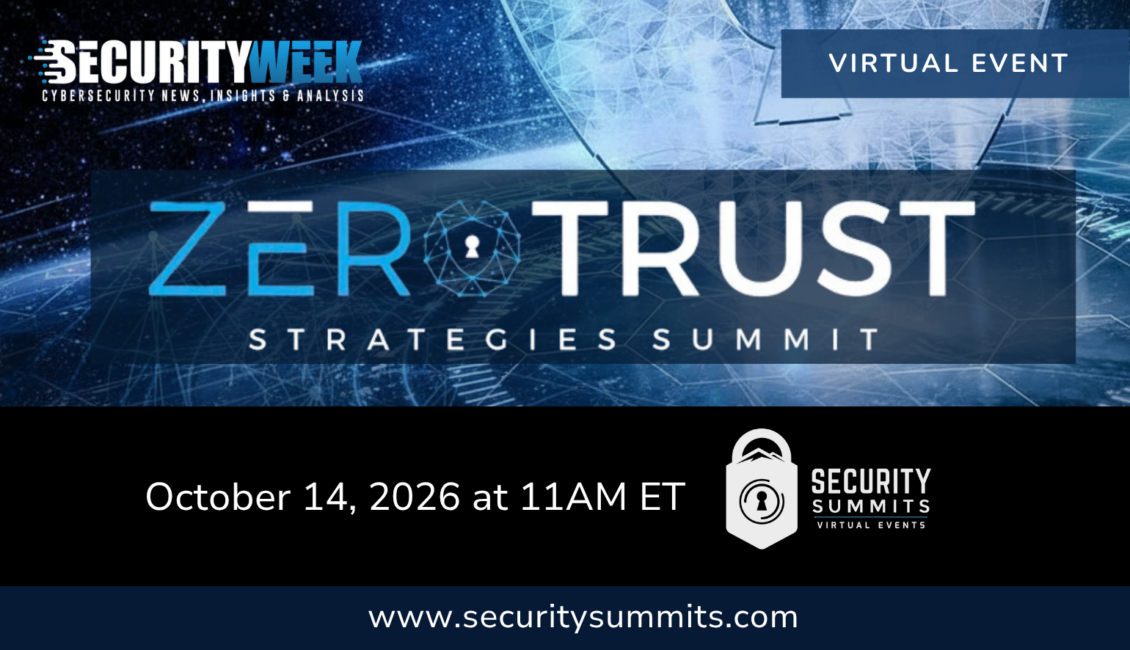
The agenda was carefully curated to provide a comprehensive view of the threat landscape. The session "From Hacking in to Logging in: Closing the Shadow AI Gap in Your Zero-Trust Architecture" set the tone for the event, grounding the conversation in the reality of modern data risks. This was complemented by sessions such as "Can This Identity Be Trusted?" and "Your Workforce Is Under Attack," which examined the persistent and escalating nature of credential-based attacks. These discussions underscored the fact that identity has become the new perimeter, and as such, it is the primary target for malicious actors looking to bypass conventional defenses.
Insights from Industry Leaders and Technology Showcases
The event featured a diverse array of perspectives, with industry experts sharing "war stories" and practical lessons learned from the front lines of digital transformation. By focusing on real-world application, the summit provided attendees with more than just theoretical knowledge; it offered a look at the tools and strategies that are currently defining the industry.
A significant portion of the afternoon was dedicated to technological demonstrations, including presentations on NordLayer AI Scout and ClearVector. These segments allowed attendees to see how emerging technologies are being applied to automate threat detection, monitor identity behavior, and enforce security policies in real time. The ability to witness these solutions "in action" provided valuable context for how organizations can operationalize Zero Trust principles within their own environments.
The virtual expo also served as a hub for networking, allowing attendees to engage with sponsors and peers to discuss the challenges of implementing Zero Trust at scale. Whether dealing with legacy infrastructure or trying to secure a cloud-native workforce, the common thread among participants was the recognition that Zero Trust is a continuous journey rather than a destination. The collaborative environment of the summit fostered a high level of dialogue regarding the integration of new security tools into existing workflows, ensuring that attendees left with a clearer understanding of how to bridge the gap between policy and practice.

Continuing the Conversation on Enterprise Defense
For those who were unable to attend the live sessions, all conference content is now available on-demand through the SecurityWeek platform. This ensures that the wealth of information shared during the event remains accessible to the broader cybersecurity community, allowing professionals to revisit specific sessions, analyze the strategic frameworks presented, and gain insights into the latest developments in identity-centric security.
The importance of this ongoing education cannot be overstated. As the threat landscape shifts with the rapid adoption of new AI-driven capabilities and the increasing complexity of cloud infrastructure, the strategies required to protect the enterprise must evolve just as quickly. The 2026 Zero Trust Strategies Summit emphasized that security is not a static state but a dynamic process of continuous verification and adaptation.
As the industry looks toward the remainder of the year and into 2027, the themes explored at the summit—namely the harmonization of identity management and AI-driven defense—are expected to remain at the forefront of the cybersecurity agenda. By moving beyond theory and focusing on the actionable steps necessary to secure an organization, the event highlighted the essential role that proactive, identity-centric planning plays in maintaining a robust security posture.
For those interested in staying informed about future developments, threats, and technological trends, the SecurityWeek community continues to serve as a vital resource. Through regular updates, deep-dive newsletters, and ongoing events, the organization facilitates the kind of continuous learning that is required to stay ahead of increasingly sophisticated adversaries. The 2026 Zero Trust Strategies Summit was a testament to the fact that while the challenges facing modern enterprises are significant, the combination of advanced technology and sound, unified security frameworks provides a viable path forward for organizations striving to maintain trust in an uncertain digital world.

By closing the gaps left by traditional security models and embracing a rigorous, identity-first approach, businesses can better protect their workforce, their data, and their future. The summit provided the necessary tools and insights to embark on this critical transition, ensuring that even in an environment of constant change, the principles of Zero Trust remain a constant, reliable foundation for enterprise security. The recorded sessions now serve as an enduring library of best practices, reflecting the collective intelligence of the industry and the ongoing effort to secure the digital future.