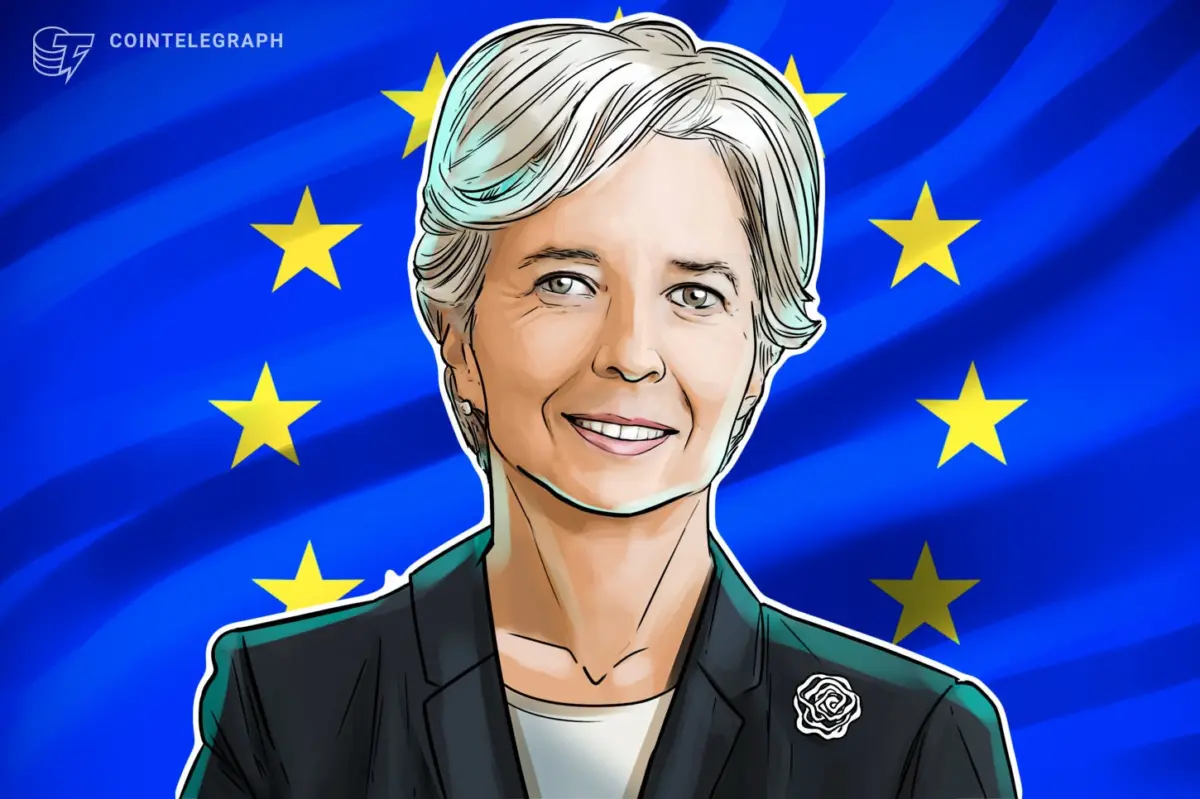
European Central Bank (ECB) President Christine Lagarde addressed global financial leaders during the International Monetary Fund (IMF) Annual Meetings, shedding light on the eurozone’s economic trajectory, persistent inflationary pressures driven by energy costs, and the central bank’s ongoing efforts to modernize the region’s financial architecture.
During her address, Lagarde touched upon the recent economic climate in the eurozone, noting that September’s 3.8% euro-area inflation rate largely reflected elevated energy costs. While these figures remain above the central bank’s medium-term target, the ECB expects these pressures to ease in the coming year. According to a statement delivered at the IMF meetings, the energy shock is projected to keep euro-area inflation above the bank’s target threshold through the first half of 2027. Despite this extended timeline, Lagarde emphasized that a measured and deliberate policy response remains the most appropriate course of action for the monetary authority as it navigates complex macroeconomic headwinds.
Beyond traditional monetary policy and inflation management, a significant portion of Lagarde’s remarks focused on the digital transformation of European finance, specifically highlighting the ongoing development of the digital euro. As digital payments continue to gain dominance in daily commerce, the ECB is actively preparing to introduce a central bank digital currency (CBDC) to complement physical cash.
"In the retail space we are preparing to complement cash with its digital equivalent — the digital euro — for day-to-day payments," Lagarde stated. She added that the digital euro will further stimulate innovation and competition in retail payments, ensuring that the continued coexistence of public and private payment solutions firmly underpins Europe’s strategic autonomy in the financial sector.
The push for a digital euro represents a cornerstone of the ECB’s broader strategy to future-proof the European payment ecosystem against external dependencies and rapidly evolving technological trends. By offering a risk-free, publicly backed digital payment instrument accessible to all citizens and businesses across the eurozone, the central bank aims to provide a reliable pan-European alternative to dominant foreign and private payment providers.
This retail-focused digital currency initiative parallels the ECB’s broader modernization efforts in the wholesale financial markets. In late September, the European System launched Pontes, a specialized infrastructure designed to allow financial institutions to settle wholesale tokenized asset transactions securely in central bank money. By utilizing central bank funds for tokenized settlements, Pontes offers a robust and dependable alternative to private settlement assets, such as commercial stablecoins, which have attracted significant attention amid the rapid expansion of digital finance and distributed ledger technology.

The Pontes system has been rolled out with an initial core set of services tailored to institutional participants, laying the operational groundwork for a more integrated and efficient digital asset market. Full implementation of the wholesale tokenization settlement system is anticipated by 2028, aligning closely with the timeline of other major European digital finance initiatives.
As the ECB advances both its retail digital euro project and its wholesale tokenized settlement infrastructure, the institution continues to emphasize accessibility and user experience. Recent reports have highlighted that the upcoming digital euro application is being designed to meet and even exceed standard European Union accessibility requirements, ensuring that all segments of the population, including elderly and disabled users, can seamlessly navigate the new digital payment landscape.
Through these comprehensive initiatives, the European Central Bank is systematically positioning the eurozone to meet the demands of an increasingly digitized global economy while safeguarding financial stability, fostering healthy competition among payment service providers, and preserving the sovereign integrity of the euro.