The widespread market panic coincided directly with urgent alerts regarding suspicious blockchain transactions originating from or interacting with infrastructure tied to Binance, one of the world’s largest cryptocurrency exchanges. Prominent blockchain security and analytics firms quickly mobilized to monitor the anomalies, bringing staggering figures to light that shocked the trading community. Blockaid, a leading Web3 security firm, identified approximately $3.3 billion in suspicious transfers moving across the network. Concurrently, blockchain intelligence platform Arkham Intelligence tracked roughly $5.84 billion in digital assets held within specific wallets that had been labeled with the ominous identifier “binance-hacker-1029.”
Market analysts and industry experts were quick to caution that neither of these towering figures represented a confirmed or finalized theft amount, but the sheer scale of the flagged funds was more than enough to ignite widespread anxiety. Traders rushed to de-risk their portfolios, fearing a catastrophic breach of one of the industry’s foundational pillars.
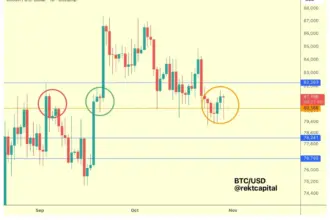
The immediate fallout was clearly visible across major asset prices and trading metrics. According to CoinGecko data at the time of reporting, BNB, the native utility and governance token of the BNB Chain ecosystem, was trading near the $702 mark, registering a steep 7.2% loss over a 24-hour period. The contagion quickly spread to the premier cryptocurrencies, pulling down market leaders alongside the exchange token. Bitcoin, the world’s largest cryptocurrency by market capitalization, fell 3.1% to trade at approximately $78,674. Meanwhile, Ether, the second-largest cryptocurrency, suffered an even steeper correction, dropping 4% to hover around $2,263.

The cascading liquidations took a heavy toll on the broader valuation of the asset class. The total cryptocurrency market capitalization contracted by 3.3%, shedding billions in value to settle around $2.73 trillion. At the same time, market activity spiked dramatically as terrified investors rushed to exit positions or hedge their portfolios against further downside. Global 24-hour cryptocurrency trading volume climbed nearly 29%, surging to a robust $89.4 billion as volatility gripped order books across centralized and decentralized exchanges alike.
Amid the mounting chaos and speculative panic across social media channels and trading chat rooms, Binance moved swiftly to address the situation. Company representatives stated that the exchange was actively investigating a potential security issue. Crucially, Binance leadership sought to reassure its massive global user base by asserting that all user funds remained entirely safe and secure, emphasizing that the platform’s core operational safeguards were holding firm against any external threats.
Adding a critical layer of defense to the unfolding crisis, major stablecoin issuers stepped in with rapid containment measures. Both Tether, the issuer of USDT, and Circle, the issuer of USDC, confirmed that they had successfully frozen more than $2.3 billion in stablecoins associated with the suspicious incident. This coordinated intervention by key industry players played a vital role in cutting off potential avenues for the alleged bad actors to launder or cash out the massive sums of flagged capital, demonstrating a level of cross-industry emergency response that has evolved significantly through previous crypto market crises.
The timing of the incident added psychological weight to the market’s reaction, coming amid heightened sensitivity regarding digital asset custody and network vulnerabilities. As investigations by security researchers and exchange engineers continue, market participants remain on high alert, closely watching blockchain mempools and official updates from Binance and monitoring firms for definitive confirmation regarding the exact nature and scope of the suspicious transfers.