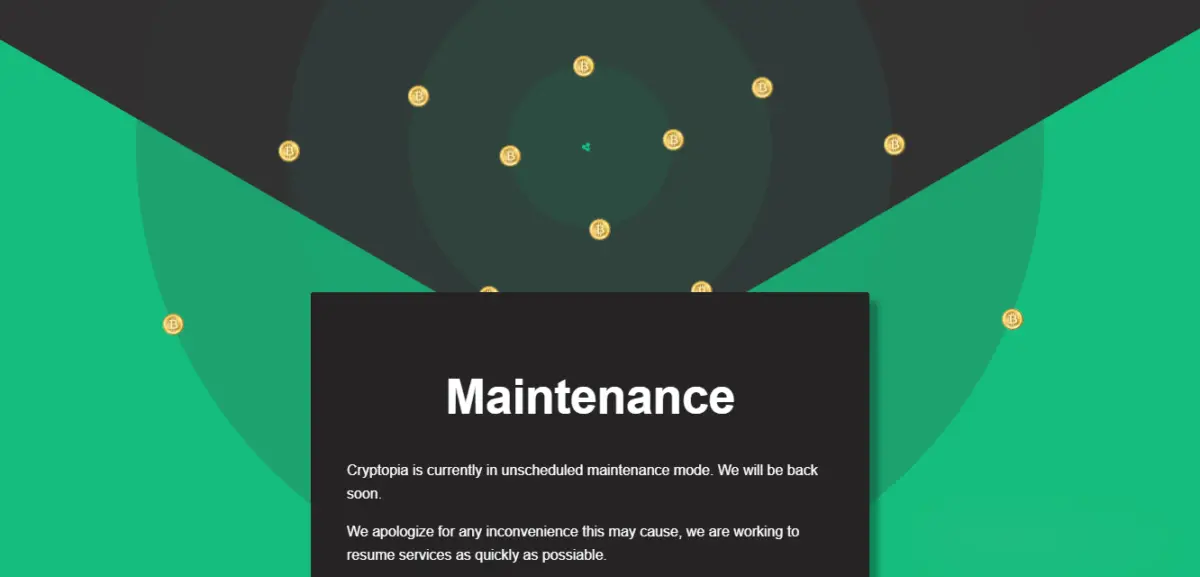
The year had begun with a tentative sense of optimism for the broader digital asset market, offering brief moments of relief for prominent cryptocurrencies like Bitcoin and Tron. Following a grueling and protracted bear market throughout the previous year, investors and market participants were eagerly looking for signs of a turnaround. However, that fragile hope was abruptly tested when malicious actors set their sights on New Zealand, striking one of the region’s most recognizable digital asset platforms. Cryptopia, a prominent cryptocurrency exchange based in New Zealand, announced that its security systems had been severely breached, initiating an emergency response that rattled confidence across the local and global crypto community.
According to official communications released by the exchange’s management, the security compromise was detected, prompting leadership to take immediate and drastic action. In response to the breach, Cryptopia was forced to go into what management described as unscheduled maintenance, effectively locking down the platform to prevent further unauthorized access or asset extraction. While initial statements from the exchange refrained from disclosing exact figures, specific financial losses, or the precise mechanics of the breach, management confirmed that the impact was substantial. All trading activities on the platform were immediately suspended and placed on indefinite lockdown while corporate leadership and technical teams began working closely with New Zealand law enforcement and specialized cyber security agencies to investigate the incident thoroughly and get to the root of the matter.

Independent blockchain analysis and industry reports, including coverage from Bitcoinist, quickly shed further light on the unfolding situation. Approximately 43 hours before the public acknowledgment of the hack, on-chain investigators noticed suspicious activity involving a large-scale transaction. Specifically, roughly $2.5 million worth of Ether was moved out of a wallet explicitly tagged and associated with Cryptopia. Although the ultimate
destination of these stolen funds remained unknown at the time of the reports, security analysts and industry observers widely assumed that these transferred assets constituted at least a portion of the significant losses referenced by the exchange’s management team.
The timing of the security breach cast a heavy shadow over an industry that was still attempting to recover from the compounding misfortunes of the previous year. For the digital asset ecosystem, the year 2018 was remembered as an exceptionally rough combination of a persistent, multi-month bear market and a string of devastating security breaches targeting cryptocurrency platforms globally, including high-profile incidents such as the massive hack of Coincheck. Although analysts and market participants had entered the new year with cautious expectations of a market recovery, this early and aggressive strike served as a stark reminder that the persistent threat of cyber attacks and platform vulnerabilities was far from eradicated.

Cryptopia held a unique position within the global exchange landscape. Once a relatively large and popular platform that captured significant trading volume during previous crypto market booms, the exchange had more recently slipped somewhat into relative obscurity compared to newer, multi-billion-dollar global giants. Despite this shift in market share and prominence, industry experts noted that the devastating breach at Cryptopia should serve as a critical wake-up call and a stern warning to much bigger, more heavily capitalized, and more popular exchanges operating worldwide. The incident demonstrated that even long-standing platforms with established security frameworks could fall victim to sophisticated attacks, underscoring the urgent necessity for the entire sector to continually upgrade, audit, and beef up its operational and technical security measures.
The attack on Cryptopia was not isolated in terms of the broader digital asset threat landscape for the year. Other security incidents and minor breaches had already been reported across various platforms and social media channels during the opening weeks of the year, but the Cryptopia breach marked the first major exchange-level hack of the period. As the crypto community navigated the challenges of the new calendar year, industry commentators emphasized that it was only wise to anticipate further occurrences of this nature, given the high-value incentives driving malicious hackers. Management at Cryptopia indicated that further updates and official information would be released to the public as investigations progressed and as more verified details were made available by the exchange and collaborating authorities. In the meantime, traders, investors, and platform operators across the global ecosystem were urged to remain extremely watchful and vigilant, as the evolving tactics of cyber criminals meant that no one could predict with certainty where or when the next strike might occur.