Analysts at BitMEX Research have raised a critical security alarm regarding a sophisticated new scam campaign targeting early Bitcoin holders, with a particular focus on dormant wallets dating back to 2011. As the cryptocurrency ecosystem continues to mature and legacy holdings appreciate dramatically in value, malicious actors are increasingly deploying advanced social engineering tactics designed to prey upon the nostalgic or inactive segments of the digital asset community.
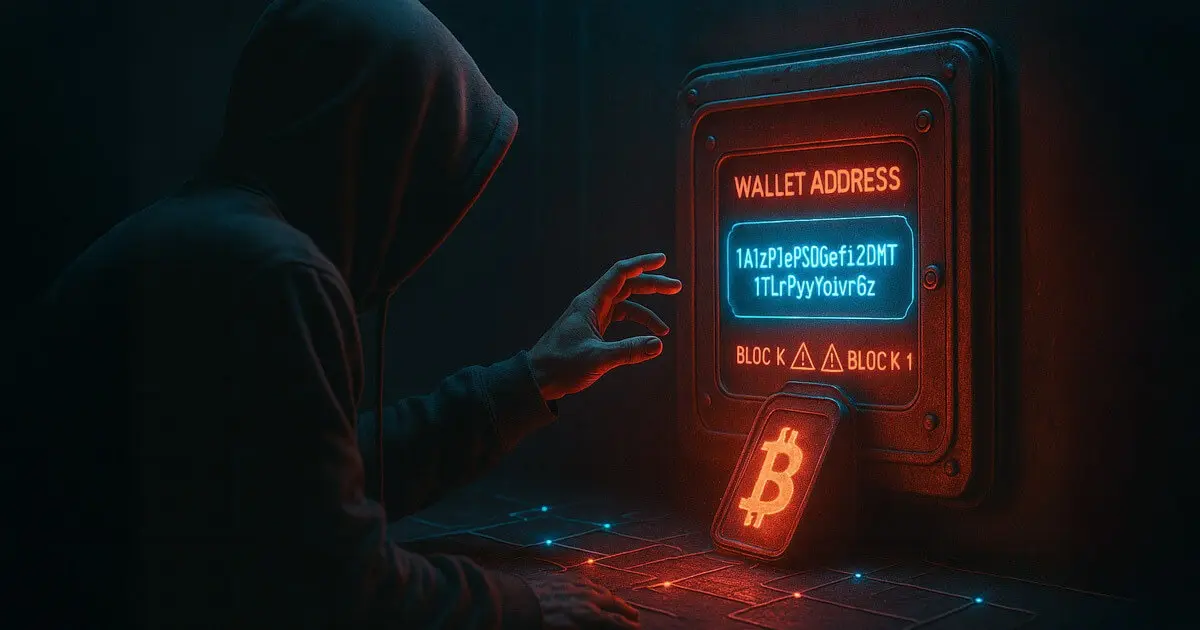
According to the intelligence gathered by BitMEX Research, the ongoing scam exploits long-dormant blockchain addresses by injecting deceptive transactions and misleading text messages directly onto the ledger. Attackers achieve this by leveraging OP_Return outputs, which are an optional field within Bitcoin transactions specifically designed to carry arbitrary pieces of data. By embedding malicious or misleading data strings into these fields, the fraudsters can push notifications directly into the transaction histories of unsuspecting wallet addresses, ensuring that anyone monitoring these vintage accounts encounters the fraudulent prompts.
In one particularly notable and well-documented case, the scammers trained their sights on the infamous "1Feex" wallet. This prominent address holds approximately 80,000 Bitcoin that are widely believed to have been stolen during the historical hack of the Mt. Gox exchange years ago. Seeking to exploit the notoriety and immense value associated with this specific address, the attackers crafted a customized message via the OP_Return field. This message subtly directs potential victims toward a fraudulent website that brazenly impersonates the long-defunct Wall Street financial institution Salomon Brothers.
Upon visiting the deceptive web domain, targets are confronted with a manufactured legal notice that falsely declares the targeted wallet to be "lost or abandoned." The site then invites supposed rightful owners to step forward and prove their claim. To authenticate ownership, the fraudulent interface instructs users to either sign an on-chain message utilizing their private cryptographic key or submit sensitive personal documentation through an embedded web contact form. To create an artificial sense of urgency and compel immediate action, the notice warns that if no official response or claim is received by October 5, the wallet will be permanently deemed legally abandoned under fictitious legal frameworks.
Fake Legal Claims and Fabricated Advisory Boards
Security investigators at BitMEX have thoroughly reviewed the fraudulent platform and warned that the website shows absolutely no credible or legitimate link to the real Salomon Brothers or its historical leadership structure. While the fraudulent site attempts to build a veneer of authenticity by displaying a list of real, verifiable individuals who once worked at the prestigious firm during the 1980s, none of those former executives appear to have any actual association with this newly formed and spurious entity.
The analytical platform noted that this deceptive approach bears striking similarities to earlier, highly controversial scams. Observers pointed out parallels to past campaigns associated with figures like Calvin Ayre, who previously financed legal actions involving the very same historical Bitcoin address. However, the current iteration leans heavily into corporate impersonation and intimidation tactics to deceive token holders.

In an official statement addressing the matter, BitMEX Research cautioned the community, stating that the links between the operating company and the presented website are entirely fabricated. The firm highlighted the presence of the advisory board page featuring real historical figures from Salomon Brothers, reiterating that these individuals have no ties whatsoever to this fraudulent operation.
Members of the broader cryptocurrency community have also weighed in heavily on the situation, analyzing the mechanics of the scam across various forums and social media networks. Commentators have pointed out glaring operational flaws in the attackers’ premise, noting that a legitimate wallet owner looking to prove activity or retain control would simply need to move a negligible amount of Bitcoin to establish an on-chain footprint, rather than transferring a full balance or exposing private keys to an unverified third-party interface.
These glaring inconsistencies have led numerous analysts and security researchers to conclude that the campaign is merely a component of a much broader social engineering scam effort. The ultimate objective appears to be the gathering of sensitive personal information, credentials, or private keys under the guise of an official legal proceeding.
The Broader Threat Landscape
Emphasizing the severity of the threat, BitMEX urged all cryptocurrency users, particularly those managing legacy or long-dormant assets, to completely ignore the fraudulent notices, avoid interacting with the contact forms, and refrain from disclosing any personal or cryptographic details. Engaging with these malicious interfaces can lead to immediate asset loss or severe privacy compromises.
The sudden emergence of these sophisticated legal-themed scams underscores the growing complexity and ingenuity of crypto-related fraud in the modern digital asset economy. Malicious actors are shifting away from simplistic phishing emails toward complex, multi-layered campaigns that mimic legal frameworks, corporate structures, and regulatory notices to exploit psychological vulnerabilities among asset holders.
This evolving threat landscape parallels broader financial crime statistics observed throughout the industry. In the first half of the year alone, hackers and cybercriminal syndicates successfully stole over $2.1 billion across 75 separate security incidents. This staggering figure represents a notable 10% increase in total losses compared to the same operational period in the previous year, driven largely by state-backed hacking groups and increasingly coordinated social engineering rings targeting both institutional and retail participants. As fraudsters continue to refine their methods against vintage blockchain addresses, industry experts reiterate that vigilance and independent verification remain the strongest lines of defense for long-term cryptocurrency holders.